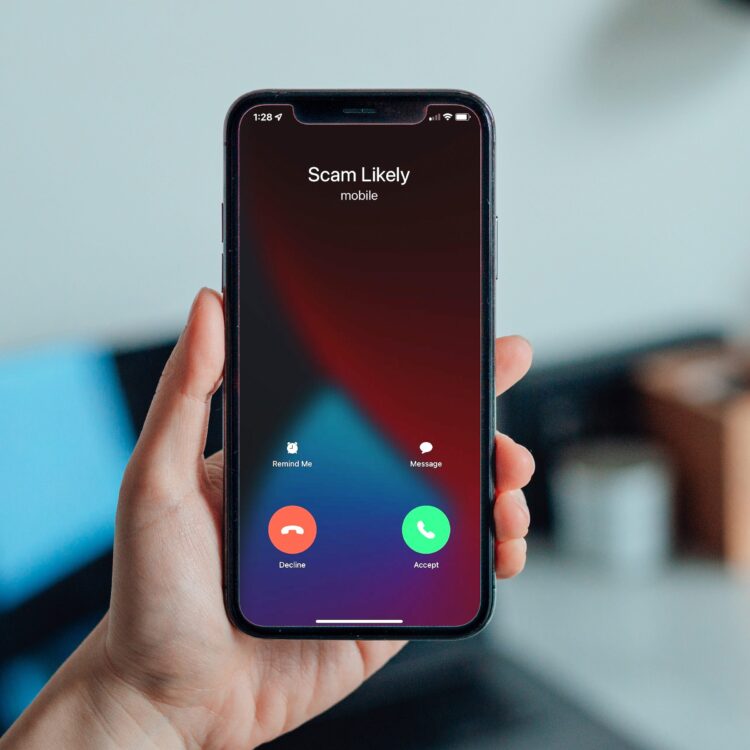
“A wolf in sheep’s clothing.” “The great pretender.” “Trojan horse.” These well-known phrases have worked their way into our lexicon, proving that imposters have lurked among us for centuries.
These imposters typically have one primary goal: to separate you from your money. The Federal Trade Commission (FTC) reported $10 billion was lost to scams in 2023 – and much of that to fraudsters claiming to be someone else. Imposter scams made the top of the fraud list that year, with consumers reporting losses of $2.7 billion.1
Common Imposter Scams
How can you tell when you’re the target of an imposter scam? They are usually initiated through unexpected and unsolicited contact – by phone, email, text, or social media. The person poses as someone you might know or a representative of a trusted organization, such as a bank or charitable group.
Scammers often apply pressure to send funds via methods that are difficult to recover, such as cash payment app (like Zelle or Venmo) or bank transfer. They might also ask for you to send gift cards or pay through cryptocurrency transactions.
Imposter scams take various forms, with scammers adapting and evolving their tactics over time. Here are a few of the more well-known imposter schemes:
- Relative or friend in distress: A scammer posing as a family member, friend, or even general acquaintance reaches out with a “financial emergency” and asks for money. They may have gotten a name from your social media connections or even from websites like whitepages.com, which often lists people you live with or were associated with in the past.
- Government agency: Someone claiming to be with an official agency such as Medicare, Social Security, or the IRS contacts you to let you know you owe money and that you may be fined or even arrested if you don’t pay up.
- Bank or investment company: You receive a phone call or email from someone claiming to be with a familiar bank or financial institution, who says there’s been suspicious activity on your account and they need your personal banking information (such as account number or pin) to “verify” your identity and tell you what’s happened.
- Technical support: You receive a notification that your phone, computer, or tablet has been breached, and you need to provide access to the person contacting you so they can “fix” it.
- Romantic interest: A scammer adopts a fake identity to gain affection and develop a romantic relationship. Then they use the relationship to manipulate and steal funds from their target.
- Charity: Someone creates a fake charitable organization to collect money or personal information. The only recipient of the organization’s (and your) largesse? The imposter.
Protecting Yourself from Imposters
If you suspect you’re the target of an imposter, there are some ways to protect yourself:
- Verify independently. If someone reaches out to you by phone and claims to be with a legitimate business, end the call and do a quick online search for the main customer service number. Then call the number to verify someone from the business was trying to reach you. You can also verify an email’s legitimacy by looking for official email addresses on company invoices, account statements, or websites and then comparing it to the sender’s address. But pay attention to the details! Imposters are crafty and often use emails that are extremely close to the real deal.
- Don’t provide sensitive information if you didn’t initiate contact. Never give your credit card details, account number, pin, Social Security number, or other sensitive data to someone who reaches out to you. Also, don’t share passwords, login IDs, or multi-factor authentication codes. It can be very difficult to prove fraudulent activity if your account is accessed via these methods by an unauthorized user.
- Report potential scams as soon as possible. Many financial institutions have dedicated phone numbers or web pages for reporting suspected fraud. For example, Charles Schwab account holders can call 877-862-6352 to report potential fraud or identity theft. This not only flags suspicious activity on your account, but it also lets the company know they may need to take measures to prevent others from becoming potential victims.
- Use payment apps judiciously. Payment apps like Zelle and Venmo make it convenient to pay friends or family – but they’re also an easy way for imposters to separate you from your money, especially since most transactions aren’t reversible. Transfer funds by payment apps only when you know the person and doublecheck the username before sending to make sure you have the correct recipient.
- Avoid giving unsolicited remote access to your devices. Apple, Microsoft, and cell phone companies won’t reach out to you to let you know about a “potential hacking attempt” or “error” on your electronic devices and request access so they can fix it. Only provide remote access to customer service reps at companies you’ve contacted for help.
- Check with your financial advisor before buying into a “hot tip.” An imposter may say they’re with your wealth management firm or financial custodian and claim they have an investment you need to buy immediately or you’ll miss out on returns. It’s best to always consult your advisor before making investment decisions; not only can they help you avoid potential fraud, but they can also help you evaluate all the implications of adding an investment to your portfolio.
Related Reading